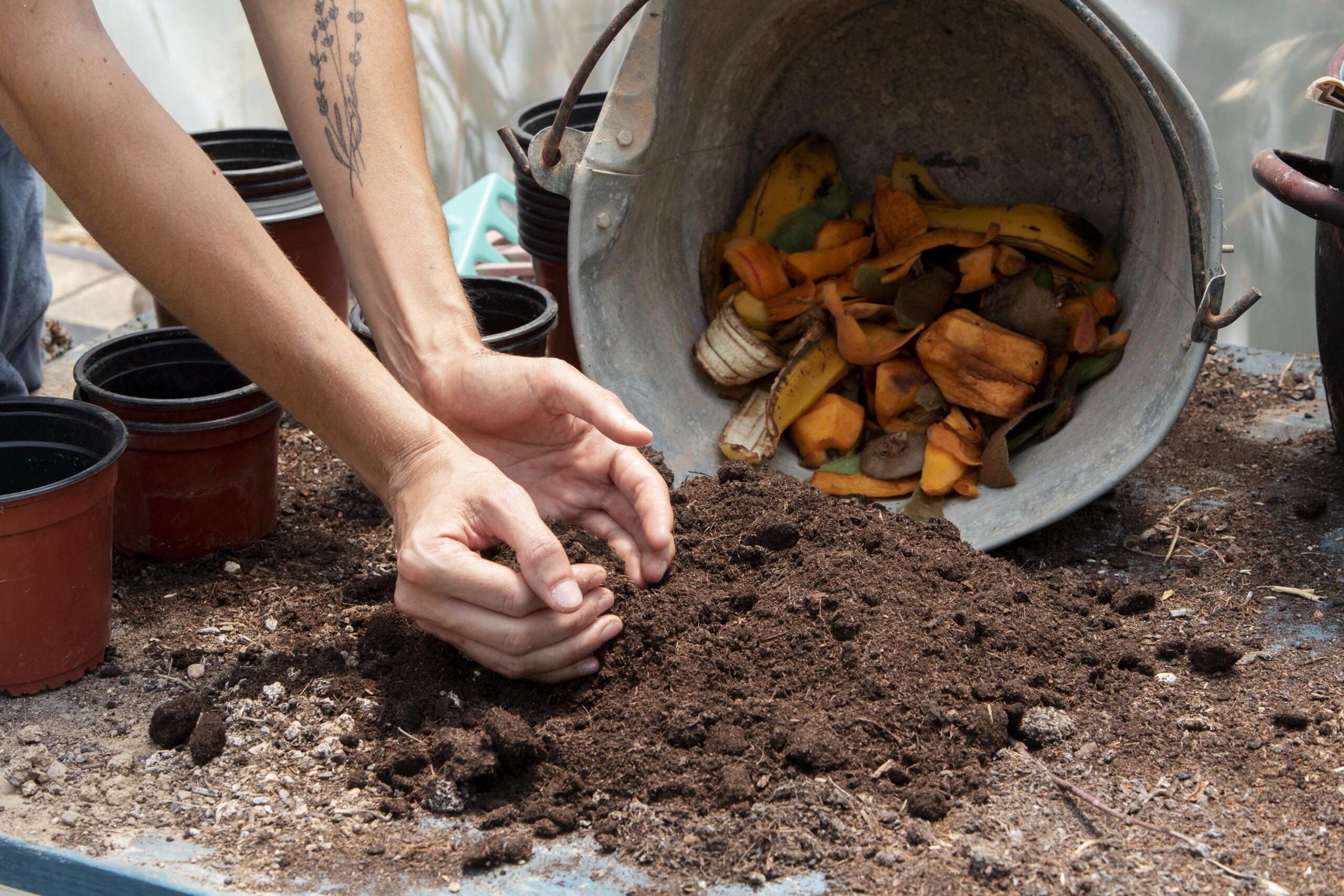
What Is Compost Tea?

Steeping compost in water produces a dark, earthy liquid brimming with nutrients and microbes. This “compost tea” is packed with beneficial bacteria, fungi, and protozoa that plants thrive on.

Benefits of Compost Tea for Your Plants?

Compost tea is like a vitamin boost for plants — it enriches soil with microbes, improves nutrient uptake, strengthens roots, builds pest resistance, and enhances soil structure for healthier, resilient growth.
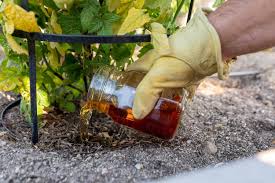
How to Make Compost Step by Step

Composting Process

1. Collect the Tea

Drain the liquid from the tap at the base of your compost bin into a clean container. This concentrated compost tea should be dark brown with a pleasant earthy aroma — avoid it if it smells rotten.

2. Dilute Before Use

Blend 1 part compost tea with 10 parts water. This dilution makes it safe for plants while still delivering rich nutrients.

3. Apply Fresh

For best results, use compost tea immediately. If storage is necessary, keep it loosely covered and apply within 24–48 hours.

Bonus Tip : Mix in a spoonful of humic acid or seaweed extract to nourish microbes and give plants an extra boost.

What to Compost for the Best Compost Tea

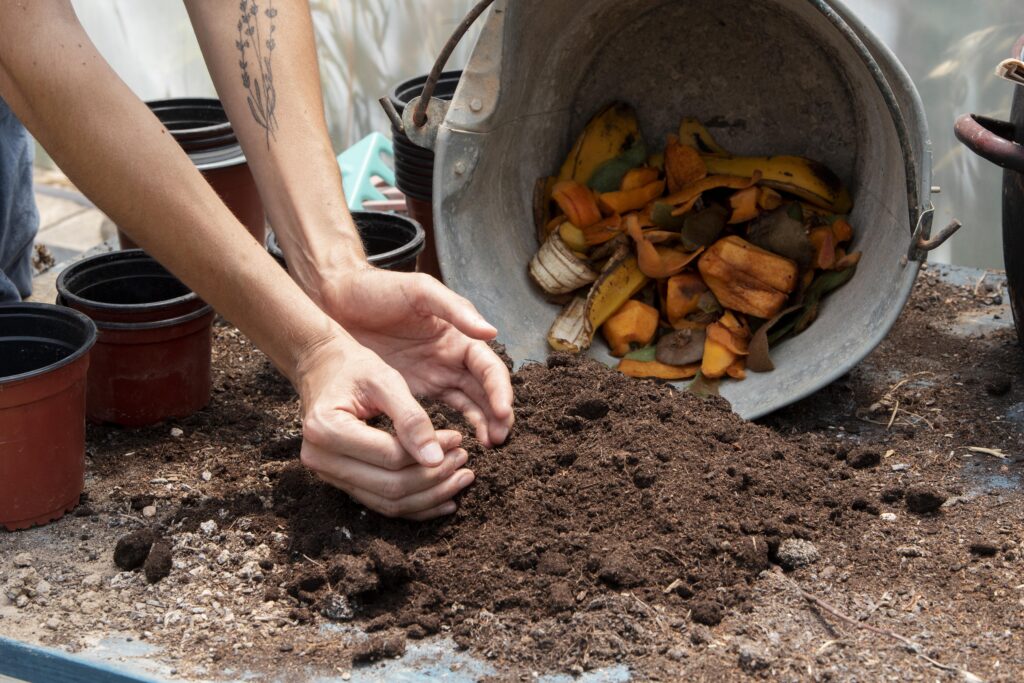
The richness of your compost tea depends on the quality of what goes into your compost bin. A well-balanced blend creates compost that’s full of nutrients and beneficial microbes. What to Add for Nutrient-Packed Compost Tea Greens (Nitrogen-rich materials): Fruit & vegetable peels Coffee grounds Used tea leaves Fresh grass clippings Kitchen scraps (avoid oily foods and meat) Browns (Carbon-rich materials): Fallen dry leaves Torn newspaper Cardboard pieces Coconut husk or cocopeat By keeping the right balance between greens and browns, you’ll produce compost that becomes a true nutritional powerhouse — the ideal base for brewing compost tea your plants will thrive on.
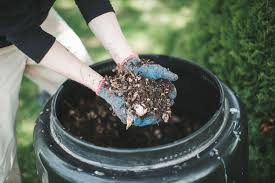
How to Use Compost Tea

How to Use Compost Tea 1. Soil Drench Water the base of your plants with diluted compost tea, allowing nutrients to soak directly into the roots. It’s ideal for indoor plants, balcony pots, herbs, and flowering varieties. 2. Foliar Spray Pour the diluted tea into a spray bottle and mist it over the leaves. This not only provides a fast nutrient boost but also helps guard against leaf diseases. For best results, spray in the early morning or late evening to prevent leaf burn. 💡 Pro Tip: Always strain the tea through a fine cloth before using a sprayer to prevent clogging.
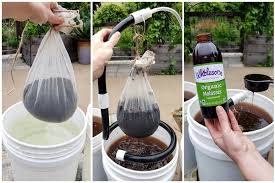
Aerated vs. Non-Aerated Compost Tea: What’s the Difference?

You may have heard of gardeners using pumps to brew compost tea. This method, called aerated compost tea (ACT), uses an air pump to introduce oxygen and encourage the growth of even more beneficial microbes. While ACT can be very effective, it also demands extra effort, equipment, and must be used immediately.

With the Agrimatic compost bin, you’re producing non-aerated compost tea, also known as compost extract. Although it may contain fewer microbes than aerated versions, it remains highly effective when used consistently. For most urban gardeners, it’s simple, safe, and more than enough to nourish your plants and boost soil health.

   Uses of Compost Tea

  1. Natural Fertilizer – Compost tea is rich in nutrients like nitrogen, phosphorus, and potassium. When applied to soil or as a foliar spray, it nourishes plants, promotes healthy growth, and increases flowering and fruiting.

  2. Soil Health Improvement – The beneficial microbes in compost tea enhance soil structure, increase water retention, and improve nutrient availability, creating a thriving environment for plant roots.

  3. Pest and Disease Resistance – Regular use of compost tea helps plants build natural defenses. The microbes can suppress harmful pathogens, reducing the risk of fungal infections and other diseases.

  4. Plant Growth Booster – Spraying compost tea on leaves provides a quick nutrient boost, improving photosynthesis and overall plant vigor.

  5. Eco-Friendly Gardening – Compost tea is a sustainable alternative to chemical fertilizers and pesticides, making it ideal for organic and urban gardening.

  6. Seedling and Garden Support – Young plants and seedlings benefit greatly from compost tea as it strengthens roots and encourages strong, healthy growth.

In summary: Compost tea is a versatile, natural solution that nourishes plants, enriches soil, boosts growth, and protects against diseases—perfect for sustainable and productive gardening.

GARDENING BASICS

How to Make Compost Tea Using a Compost Bin?

Compost tea is a simple, organic liquid fertilizer made by steeping compost in water. It’s often called “liquid gold for plants” because it’s packed with nutrients and beneficial microbes that strengthen roots, improve soil, and boost overall plant health..